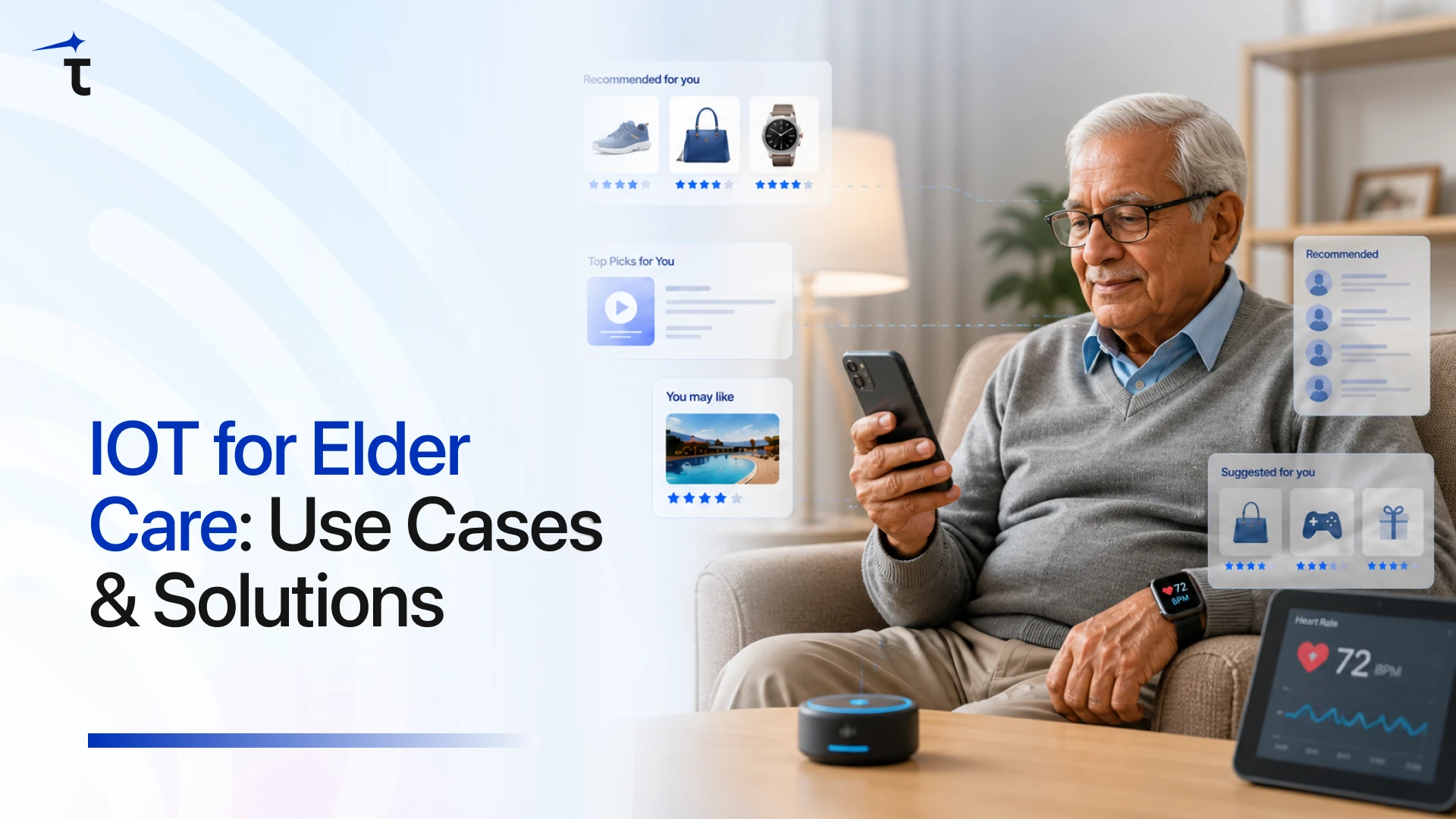
The aging of the world’s population increases the demand for more intelligent solutions to care for our elderly, i.e., better elderly care systems, making this an extremely important priority. Traditional ways of caring for our elderly are effective but often insufficient to provide continuous monitoring, timely intervention, or personalized care at scale. The introduction of IoT in elder care provides a fundamental shift in how we care for our elderly.
Through connected devices, sensors, and real-time data, IoT enables the generation of actionable insights into a person’s overall health, daily activity levels, and safety, regardless of whether the elderly individual resides in their own home or in an assisted environment. Some examples of how IoT enables proactive, data-driven caregiving include but are not limited to wearable health devices, smart home technology, remote patient monitoring, and emergency alert devices.
Below, we will cover what IoT of elder care is, the core components of IoT elder care solutions, and demonstrate how technology can improve a person’s quality of life, increase their safety, and empower caregivers to better care for their loved ones.
Understanding IoT in Healthcare
The introduction of the IoT into the healthcare sector is changing how we receive healthcare, especially for seniors. With IoT for elder care, we can provide continuous monitoring, real-time data collection, and proactive health management using smart devices and connected systems. This enables our healthcare providers and caregivers to monitor a patient’s health from afar by tracking daily activities, vital signs, and health trends, rather than relying solely on periodic checks. As a consequence, these innovations improve patient outcomes and ultimately reduce hospital visits and overall healthcare expenditures.
The Rising Need for Elderly Care Solutions
Due to the continually growing elderly population, there is an increasing demand for reliable, scalable elderly care technology solutions. Many elderly people want to remain living independently in the community; however, they also face challenges with safety, managing chronic diseases, and receiving emergency assistance.
The traditional way of providing care is not capable of providing round-the-clock supervision. This is where remote patient monitoring via IoT can be very helpful, providing real-time data on an elderly individual’s health and helping prevent problems before they become serious. Through the use of IoT technologies, families and healthcare professionals can work together to provide better healthcare for seniors while still allowing them the independence they desire to remain in their own homes.
Role of Connected Devices in Senior Living
Connected devices play a fundamental role in the current Internet of Things (IoT)-based elder care system. These technologies include health-tracking wearables, smart sensors, and other connected home devices that continuously collect and transmit data to help monitor the well-being of aging individuals living independently.
Examples of this type of technology include:
- Fall Detector Systems
- Medication Reminders
- Vital Sign Monitoring Devices
When combined with intelligent analytical tools, IoT-based remote patient monitoring will provide elderly people living alone in the community with greater safety through technology-based solutions for elderly care. In addition, these technologies will support personalized care and enhance the effectiveness, responsiveness, and scalability of technology-based solutions for elderly care.
Market Overview and Growth Trends
- Global demand for IoT-driven elder care has surged amid an aging population and a growing need for high-quality, cost-effective care models.
- Family and health system support are encouraging providers and families to pursue IoT-enabled remote patient monitoring as a solution for long-term care.
- Integrated systems using wearables, smart sensors, connected homes, and other technologies are becoming essential elements of contemporary care environments for seniors.
- Governments, private enterprises, and public entities are investing heavily in digital health infrastructure, driving expansion and a rapid increase in the number of IoT-enabled devices used for senior care.
- AI, cloud software, and advanced analytics are augmenting all IoT-related remote patient tracking capabilities, enabling more accurate, evidence-based predictive and preventive decisions.
- Advancements in social awareness and improvements in the ease with which technological devices can be deployed are compounding the number of elderly individuals choosing IoT devices as technology-based solutions to assist their own care, as well as the care of others.
- The overall growth trends of the global elder care product marketplace indicate that these sectors will continue to grow, as IoT will serve as a primary catalyst for progressive, customized, and effective elder care.
Challenges in Traditional Elder Care Systems
Traditional caregiving plays an important part in society today, but doesn’t meet the changing needs of the aging population. The lack of real-time information and continuous monitoring demonstrates the increasing need for IoT to improve elder care with smarter, more connected solutions.
- Lack of Continuous Health Monitoring
Most elderly care is provided through routine visits with a healthcare professional; therefore, health status is assessed periodically rather than continuously monitored. Without real-time information, caregivers are less likely to recognize early signs of deterioration in health. Traditional systems that use remote patient monitoring (RPM) via IoT provide continuous monitoring and allow providers to intervene in a timely manner.
- Delayed Emergency Detection and Response
In many instances, the time between the onset of an emergency situation, such as a fall, heart issue, or sudden change in health, and its detection is significant. These delays can cause serious complications. By utilizing connected sensors and alert systems in today’s modern elderly care technology solutions, emergency detection and response time can be reduced, improving safety and outcomes for elderly patients.
- Medication Non-Adherence Issues
Many elderly patients experience difficulty with following medication schedules. This may be due in part to memory issues or the challenges associated with following multiple prescriptions. Both factors contribute to medication non-compliance and put elderly patients at risk for serious medical issues. By implementing IoT-enabled solutions such as smart medication reminders and automated alerts, medication compliance and the overall health of elderly patients can be improved.
- Limited Mobility and Independence
Physical limitations often prevent seniors from being able to do their everyday activities on their own. With some traditional care systems, seniors receive info and assistance many times throughout the day and may thus have little to no feelings of independence due to being supervised all the time. However, IoT-based remote patient monitoring and intelligent home technologies allow senior citizens to maintain a higher level of independence than if they were still being supervised, while still having some kind of method of being monitored for safety.
- Social Isolation and Mental Health Risks
Many elderly adults living alone have to endure the feelings of isolation or loneliness as well as possible mental health issues. Many traditional systems do not provide proper care for emotional wellness. However, modern technologies for elderly care incorporate many communication and connection tools that help seniors maintain connections with their families, caregivers, and their respective communities – further illustrating how the IoT can assist the elderly by providing more than just physical health support services.
What is IoT-Based Elder Care?
IoT for elder care refers to utilizing intelligent devices, sensors, and connected systems to enhance seniors’ health and well-being through monitoring and management. Using smart analytics and real-time data recording, it allows for proactive and personalized care. Traditional methods of monitoring patients using remote devices were historically completed in a physical location; however, the use of IoT to monitor individuals remotely will allow for the continuous tracking of vital signs, daily living activities, and anticipated risks by caregiving or medical professionals
Core Components of IoT Elder Care Solutions
Below are the components that create a connected ecosystem that transforms traditional caregiving into a smarter, more efficient, and proactive system, demonstrating the true potential of IoT for Elder Care.
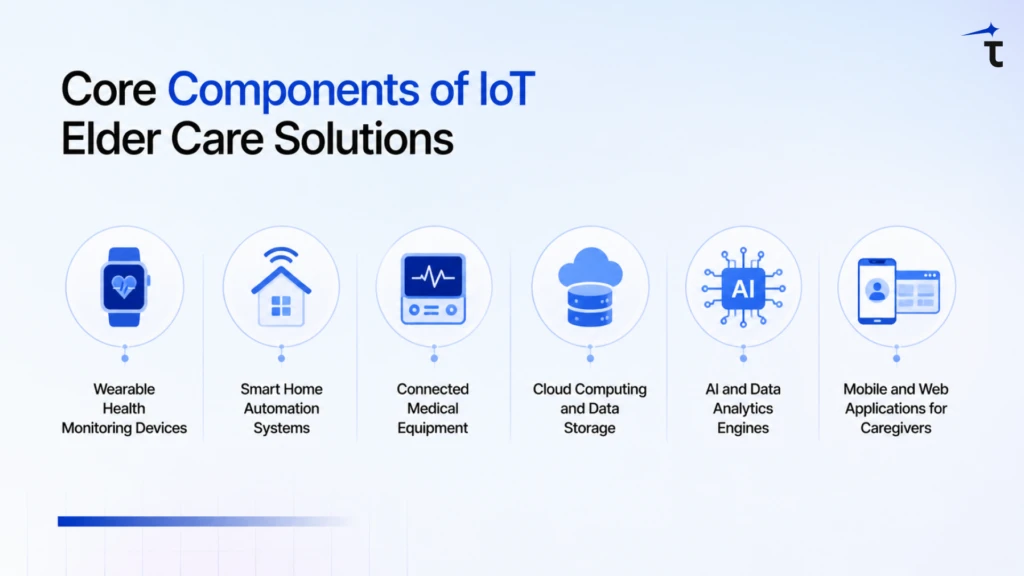
- Wearable Health Monitoring Devices
Wearable devices including smartwatches and health bands are critical components of IoT with regards to the care of elderly individuals due to their ability to constantly monitor vital signs . Additionally, these devices allow for continuous monitoring and assist with IoT-based remote patient monitoring through the ability to alert users in a timely manner about any irregularities found during monitoring and help with the ongoing management of an individual’s health.
- Smart Home Automation Systems
Smart home solutions create a safer environment in which seniors may live independently while having access to technology that enhances their safety as well as the convenience of managing lighting, temperature control and security systems with smart devices. Additionally, technologies such as motion sensors, fall detection systems, and voice-activated assistants are key solutions for the care of our aging population.
- Connected Medical Equipment
A wide variety of medical devices, e.g. glucose monitors, ECG machines and blood pressure monitors, now have the ability to connect to IoT systems. This enables tracking an individual’s health in real time and sharing his or her medical data with healthcare professionals seamlessly, thereby creating a more streamlined way to provide elder care with AI-powered IoT elder care.
- Cloud Computing and Data Storage
Cloud computing provides a secure platform for storing and using data collected from the devices mentioned above, leveraging the cloud’s ability to support the storage and management of large amounts of health-related data. Cloud computing supports remote monitoring enabled through IoT and provides a centralized location for utilizing that data.
- AI and Data Analytics Engines
Data analytics and Artificial Intelligence (AI) engines are used in combination with IoT (Internet Of Things) to help identify patterns of data, as well as to assist in identifying health-related risks or conditions, while providing valuable insights for use. IoT-based elder care using AI will enable the detection of anomalies, reduce false positives, and help caregivers make better decisions by supporting more proactive treatment, thereby improving the efficiency of remote patient monitoring.
- Mobile and Web Applications for Caregivers
Mobile or web-based applications that enable caregivers or family members to view their senior loved one’s health data, receive alerts or notifications, and communicate with them instantaneously are critical for effective care coordination and timely responses to both routine and emergency situations for those who care for the elderly.
Top Use Cases of IoT in Elder Care
As connected technology continues to gain adoption, the Internet of Things (IoT) can enable several impactful use cases in elder care. Connected technology enables the senior population to live more independently and safely, with greater ease and convenience. Through AI-powered IoT elder care initiatives, traditional methods of caregiving are being transformed into a proactive, data-driven approach that leverages a range of modern technologies in elder care today.
Some of these case studies are discussed below.
- Remote Health Tracking
One of the most common uses of IoT in elder care is continuous health tracking. Using wearable devices and connected medical equipment, vital signs such as heart rate, blood pressure, and oxygen levels can be monitored in real time. In addition, as AI-powered IoT elder care, the health information collected can be analyzed to identify health warning signs, allowing for earlier diagnosis and, thus, timely intervention by medical personnel, as well as reductions in hospital visits.
- Fall Detection
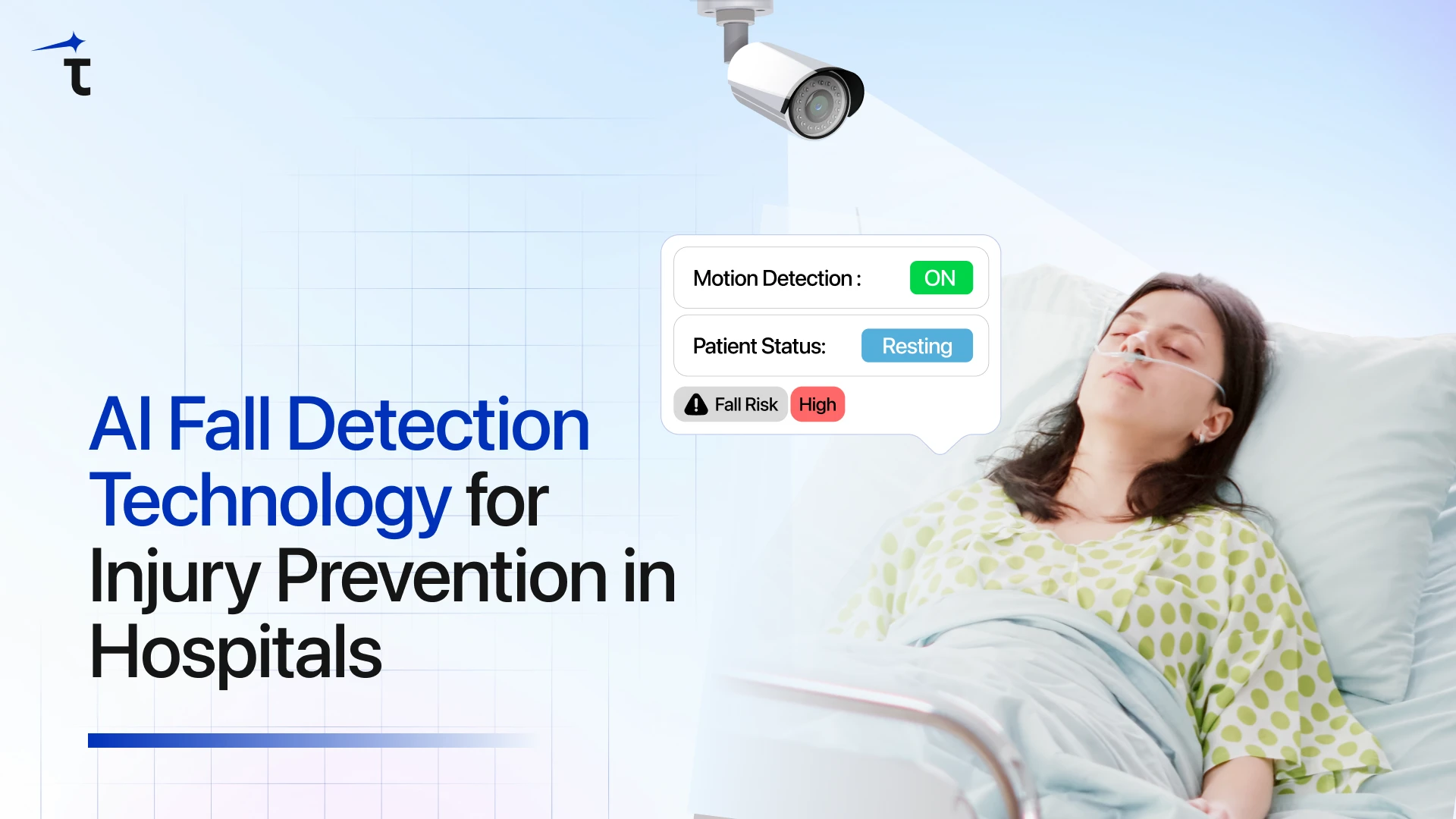
Falls are among the most serious risks faced by elderly individuals. Wearable devices and IoT-enabled sensors can detect abrupt movements or prolonged inactivity and immediately alert caregivers. In addition to providing caregivers with a means to respond to falls, elder care technology can prevent falls by analyzing movement patterns and identifying potential risks in advance.
- Medication Management Systems
It can be difficult for older people to keep track of their medicines. To help, smart medication systems offer ways to remind people when to take their medicine, automatically dispense medication, and alert them when it’s time to take it. Medication management systems are an important use of IoT technology in providing care to older adults by helping reduce errors in missed or incorrectly timed doses and by improving the older person’s overall health.
- Emergency Alert Systems
Alert systems that are tied to an IoT device will send a notification to the older adult’s caregiver, family members or healthcare professional in the event of an emergency, i.e., health issue or accident. Using IoT use cases in elder care, older adults and their caregivers can assess the severity of alerts, enabling faster, more effective responses.
- Smart Home Automation Technologies for Safety
Smart home technologies utilize automated features to improve the safety and convenience of daily activities. Automated features such as motion detectors, smart locks, automated lighting, and voice-activated assistants will assist older adults in safely moving and maintaining their independence in the home and enable caregivers to continuously monitor and assist when necessary.
Benefits of IoT in Elder Care
Modern elderly care technology solutions leverage connected devices and smart systems, enabling proactive care by significantly improving safety, providing accurate and reliable information to reduce the costs of healthcare, and delivering measurable benefits to both seniors and caregivers.
Below are some of the benefits of IoT for Elder Care
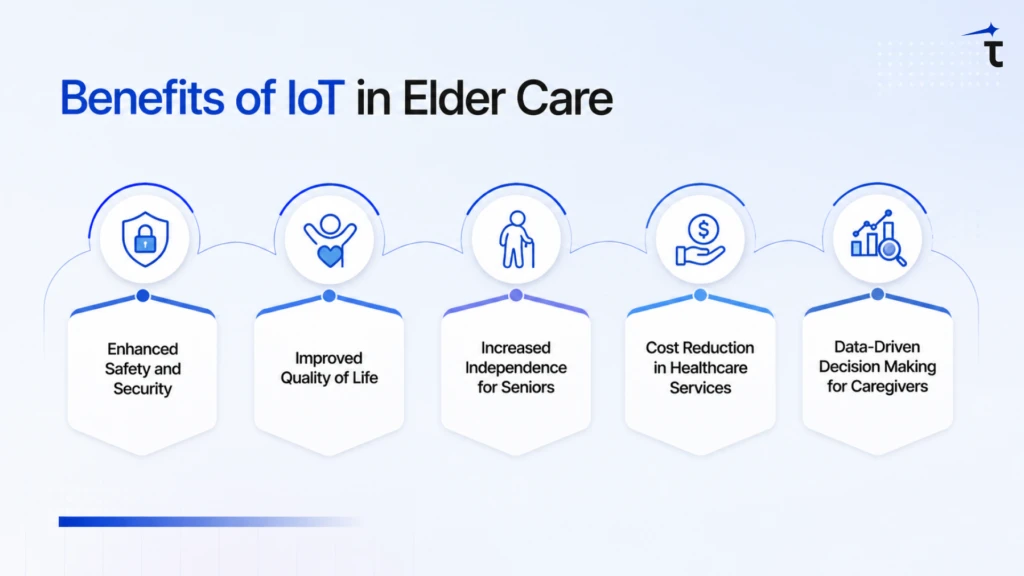
- Enhanced Safety and Security
The use of IoT in elder cgreatly enhances seniors’ safety. Safety sensors, fall detection systems and real-time alerts allow caregivers to help seniors in emergencies quickly and without delay because IoT-based remote patient monitoring allows caregivers to monitor their patients constantly, thus eliminating the risks of not knowing about their condition and providing reliable assurance of caregivers’ ability to help them.
- Improved Quality of Life
The use of smart devices, automation and incentives associated with using technology make life much easier for seniors by automating daily activities without requiring them to physically assist themselves. Technology solutions for elderly care, will allow senior citizens to take control of their health and improve their overall quality of life through greater access to and the increased ability to assist themselves.
- Increased Independence for Seniors
Most seniors desire to maintain their independence; therefore, the use of IoT will enable this to continue for seniors by implementing smart home systems, wearable technology and remote monitoring in order to keep seniors connected to their caregivers through IoT-based remote patient monitoring when needed, thus allowing seniors to continue with their daily activities without assistance.
- Cost Reduction in Healthcare Services
The Internet of Things (IoT) for the care of the elderly reduces overall health care costs by facilitating early diagnosis of health problems and eliminating unnecessary hospital visits. IoT-based remote monitoring of physicians decreases the frequency of the necessity to conduct face-to-face consultations, and makes care more cost-effective compared to what it would be without IoT technology.
- Data-Driven Decision Making for Caregivers
IoT devices capture a great deal of information about how people interact with their environment and how they behave, and provide that data to health care providers so that they can make better decisions regarding individual patient care. Advances in technology for elderly care will help provide timely, accurate, and actionable insights to improve the quality of care delivered to people living in their homes.
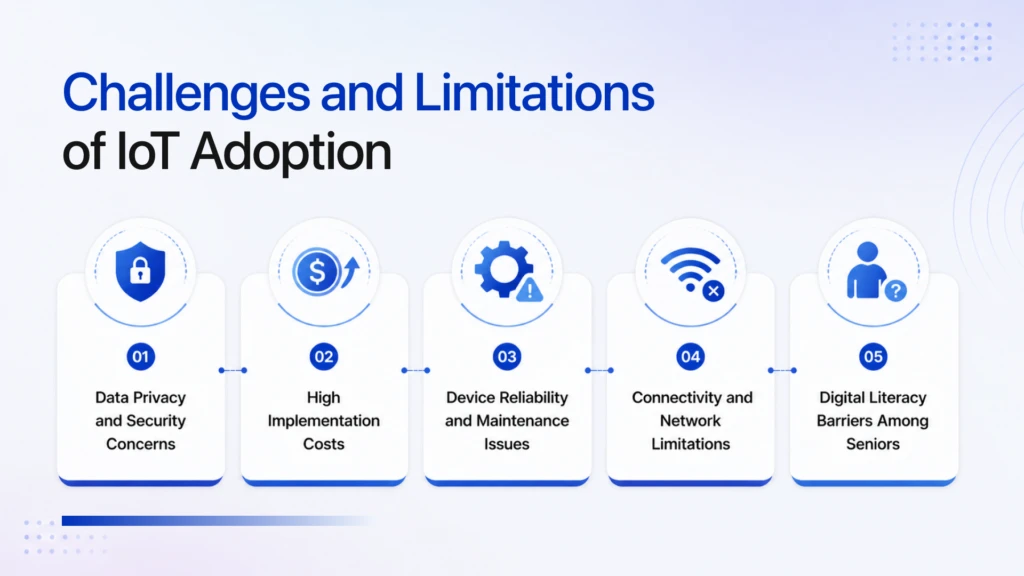
Challenges and Limitations of IoT Adoption
Adopting IoT technology for elderly care has its advantages, but it presents many challenges for organizations and caregivers. Various issues, such as security and usability, must be addressed to successfully implement technology solutions for elderly care and maximize the benefits of IoT-enabled remote patient monitoring.
- Data Privacy and Security Concerns
Data protection and security issues are one of the greatest obstacles to using IoT technologies for elderly care. Sensitive patient health data is automatically collected by connected devices, which can be at risk of hacking. Therefore, if appropriate encryption, secure networks, and data protection compliance are not in place, IoT-based remote patient monitoring may be vulnerable to data breaches.
- High Implementation Costs
The start-up costs of implementing elderly care technology can be quite high due to the number of device types, technology platforms, and cloud-based infrastructures that need to be integrated for use by organizations and individual consumers. The initial investment required to set up these systems can be a significant barrier for smaller organizations or individual end users seeking to adopt IoT technologies for elderly care, even though these systems will ultimately reduce long-term healthcare costs.
- Device Reliability and Maintenance Issues
All IoT devices used for remote patient monitoring require continuous maintenance, monitoring, and updates to continue working properly. If sensors do not function as intended or provide inaccurate readings, it will negatively affect the overall reliability of remote monitoring. Alerts for patients can be generated incorrectly, only to create alarms and/or risk factors that go unnoticed for patients.
- Connectivity and Network Limitations
If Internet connectivity is inconsistent, there can be disruptions in how well IoT-enabled elder care products perform. In locations with poor or unreliable Internet connections, disruptions can occur, preventing real-time monitoring or data delivery. Such limitations affect the effectiveness of elder care technology products, particularly in rural or remote areas of the country.
- Digital Literacy Barriers Among Seniors
Most seniors are not experienced users of current technology, which may create challenges for them in how they use mobile applications and/or connected devices. To be successful, IoT-based remote patient monitoring must be designed with ease of use and simplicity in mind, so seniors want to use these solutions and experience value from these products and technologies.
IoT Solutions and Technologies Transforming Elder Care
Connected technology is rapidly evolving and redefining care delivered to the aging population. Current elderly care technology solutions now leverage intelligence to create safer and more responsive environments for elderly individuals. At the centre of this change is AI-powered IoT elder care, which combines data, devices, and advanced analytics to deliver proactive, personalized support.
- AI-Powered Predictive Healthcare Systems
Predictive healthcare powered by artificial intelligence through IoT is one of the most significant developments in AI-powered IoT elder care. By analysing health data from both historical and real-time sources, predictive healthcare systems can detect patterns and predict potential future health risks before they become a crisis. As a result, caregivers and providers can provide preventive services in response to these predictions to improve outcomes and reduce hospitalizations.
- Smart Wearables and Biosensors
Continuous health monitoring using smart wearable devices and biosensors is essential to delivering quality elderly care. Smart wearable devices and biosensors track vital signs such as heart rate, oxygen saturation, sleep quality, and activity level. As essential components, these devices provide real-time data that enable early identification of health issues and deliver better care through improved decision-making.
- Voice Assistants and Conversational AI
Seniors have increased access to technology through voice-enabled features. Seniors can use voice commands to turn on devices, set reminders, and ask for help, allowing them to live independently from their families and making it easier for them to use digital systems, thus making IoT-based elder care technology solutions more essential components of user-friendly elderly care technologies.
Conclusion
The Internet of Things will change the way those who care for the elderly provide care compared to how it has traditionally been done. The use of IoT enables caregivers to provide proactive, data-driven, and more individualized services through devices, creating a continuum from health monitoring to smart home automation, thereby improving the safety, independence, and quality of life for seniors.
With remote patient monitoring via IoT technologies and AI-enabled elder care, caregivers can use timely, pertinent information to make better decisions more quickly, while reducing healthcare costs and hospital visits. Although concerns regarding data security and accessibility exist, these issues can be addressed through appropriate methodologies.
Organizations can implement advanced technology solutions for elderly care through partnerships with experienced firms such as Technoyuga, thereby designing scalable, secure elder-care systems ready for future developments and redefining how elder care is delivered.
FAQs
IoT for Elder Care is shifting caregiving from reactive to proactive. Instead of responding after a health issue occurs, connected systems continuously monitor seniors and help prevent risks before they become serious.
Unlike periodic check-ups, IoT-based remote patient monitoring provides continuous, real-time health data. This allows caregivers to detect small changes early and take action before conditions worsen.
No, elderly care technology solutions are useful for both healthy seniors and those with medical conditions. They help with safety, independence, daily routines, and overall well-being.
AI-powered IoT elder care enhances decision-making by analyzing patterns in data, predicting potential health risks, and reducing unnecessary alerts, making monitoring more accurate and efficient.
Yes, one of the major use cases of IoT in elder care is automation. From medication reminders to emergency alerts, IoT reduces manual effort and allows caregivers to focus on critical tasks.
These systems collect data such as vital signs, movement patterns, sleep behavior, and environmental conditions, helping build a complete picture of a senior’s health and lifestyle.
Absolutely IoT for Elder Care is especially valuable for seniors living independently, as it enables continuous monitoring, rapid emergency response, and enhanced safety without constant supervision.
Modern elderly care technology solutions are highly scalable. Whether for a single home or large healthcare facilities, systems can be expanded easily as needs grow.
Common challenges include data privacy concerns, device maintenance, internet connectivity issues, and the need for user-friendly designs for seniors using IoT-based remote patient monitoring.
Businesses can begin by identifying key use cases, selecting the right technologies, and partnering with experts to build customized AI-powered IoT elder care systems that align with their goals.